15 Italy Travel Tips

You’ll want a plan that saves time, avoids common hassles, and helps you enjoy more of what makes Italy special. Pack smart, book key tickets early, carry some cash, and learn simple local customs to make your trip smoother and more rewarding.
15 Italy Travel Tips Every Tourist Should Know: Essential Advice
Expect tips on where to skip lines, how to dress for churches and neighborhoods, when to visit to avoid crowds, and how to move between cities without stress. You’ll get clear, practical advice that helps you see more, wait less, and eat better.
Key Takeaways
- Prepare essentials before you go to avoid last-minute problems.
- Learn quick local habits to blend in and avoid common mistakes.
- Book major transport and attraction tickets in advance to save time.
Essential Pre-Travel Planning
Plan key choices now: pick destinations that match your pace and interests, choose ready-to-book itineraries that match your travel dates, and book guided trips or independent tours that offer clear cancellation and meeting-point details.
How to Pick Italian Destinations
Decide what you want to feel and do. If you want art and museums, pick Rome and Florence. For food and wine, choose Piedmont, Tuscany, or Emilia-Romagna. For coast and islands, pick Amalfi, Cinque Terre, Sardinia, or Sicily.
Match travel time to distance. Spend 3–4 nights in major cities and 2–3 nights in smaller towns. Use the “Best in Travel 2026” lists and Lonely Planet guides to spot new hotspots and quieter alternatives. Note festival dates and peak season—Venice in February (Carnival) and coastal towns in July–August will be crowded.
Check transport links. Pick places on fast-train routes (Trenitalia, Italo) to save time. If you plan day trips, base yourself where regional trains or ferries run often.
Understanding Ready-to-Book Itineraries
Ready-to-book itineraries give daily plans, travel times, and suggested hotels. Look for those that list exact travel durations and transfer methods. A good one shows departure times, train or ferry names, and realistic walking distances between sites.
Compare itineraries by pace. Some cram many towns into a few days; others build rest days into the route. Choose the one that matches how much walking and transit you enjoy. Check dates—many ready-to-book plans assume summer hours or seasonal ferries.
Verify what’s included. Look for clear notes on entrance fees, guided tours, and free time. If an itinerary cites Lonely Planet or local guides, it often means better-tested routes. Save or print the schedule for offline use.
Booking Bookable Trips and Tours
Choose bookable trips with clear refund and change policies. Small-group day tours should list maximum group size, meeting point, and what’s provided (skip-the-line tickets, guide, transport). Confirm pickup times and exact meeting addresses.
Read recent reviews for reliability. Check that operators register local contact details and emergency numbers. For multi-day guided trips, confirm luggage transfer details and hotel names. Use platforms that show full itineraries and provider insurance info.
Pay with a card that offers travel protection. Keep digital and paper copies of reservations. If you plan to book through an aggregator, double-check the supplier listed and cross-check cancellation terms with the operator before final payment.
Navigating Italian Cities
Get ready to move on foot, use public transit, and plan visits to busy landmarks. Know where to buy tickets, when to go, and how to behave so you save time and avoid common mistakes.
Top Things to Do in Rome
Start at the Colosseum—book a timed-ticket or guided tour to skip long lines and visit the arena floor or underground levels when available. Walk from the Colosseum to the Roman Forum and Palatine Hill on the same ticket day for full context.
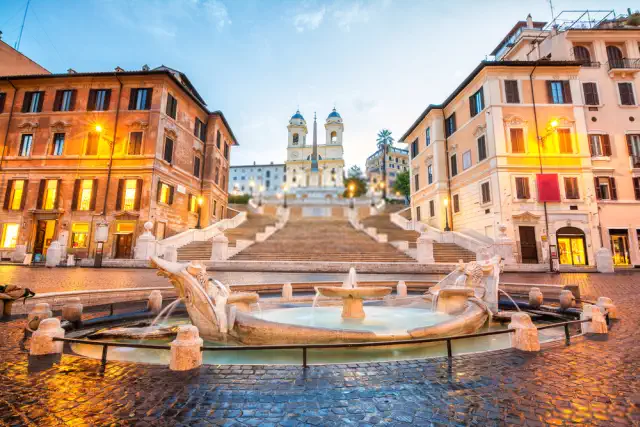
Reserve time for Vatican Museums and St. Peter’s Basilica; book early-morning or late-afternoon slots to beat peak crowds. Toss a coin in the Trevi Fountain, climb the Spanish Steps, and wander Trastevere’s narrow streets for food and nightlife.
Use a single-day public transit pass or Rome’s metro to reach farther sites like Villa Borghese or Ostia Antica. Carry water and wear comfortable shoes—many streets are cobblestone and involve steep climbs.
Key Advice for Visiting the Eternal City
Arrive early at must-see sites to avoid crowds and heat, especially in summer. Many museums and churches close mid-afternoon or have restricted hours, so check schedules before you go.
Practice sensible tipping: small change at cafes and 5–10% in restaurants is common. Speak simple English slowly if needed; Italians appreciate any effort to use basic Italian words like buongiorno or grazie.
Watch for pickpockets near tourist hubs—keep bags zipped and use a front pack. Learn the local coffee customs: order cappuccino in the morning and espresso later in the day to blend in.
Highlights Beyond Rome
Explore Florence for Renaissance art—book Uffizi and Accademia tickets in advance. In Venice, ride a vaporetto and buy a city pass to save on transport and museum lines.
Visit Naples if you want authentic pizza and close access to Pompeii and the Amalfi Coast. For quieter towns, choose Siena, Perugia, or smaller villages in Tuscany for local markets and handicrafts.
Travel between cities by high-speed train; reserve seats during holidays and summer. For day trips, check regional trains and buses for flexible, lower-cost options.
Smart Travel Logistics
Plan your trip by lining up trains, places to stay, and how you’ll pay. Small choices save time and money, especially in busy cities and during high season.
Efficient Transportation Tips
Use trains for most city-to-city travel. Book high-speed trains (Frecciarossa, Italo) online 2–4 weeks ahead for lower fares. Check regional trains for short trips; they sell out less but run slower.
For local travel, buy digital tickets in apps like Trenitalia or Italo and validate them when required. In cities, use single tickets or day passes for buses, trams, and metro; you can buy them at tabacchi shops, ticket machines, or transport apps.
Rent a car only if you plan to visit rural areas, coastal towns, or islands with limited public transport. Reserve compact cars in advance and choose automatic only if you need it. Watch ZTL (restricted traffic zones) signs; fines are common if you drive into historic centers without a permit.
Carry a portable charger and a printed copy of key reservations. Allow extra travel time for strikes or train delays, common during summer. Keep train station names and exit directions handy to avoid confusion.
Booking Accommodations Wisely
Book lodging near the places you’ll visit to cut transit time. In big cities, choose neighborhoods with good tram or metro access rather than the very center to save money.
Check cancellation policies and taxes before booking. Many Italian hotels charge a local tourist tax per person per night. Confirm whether the listing adds this fee at checkout or at the hotel.
Read recent reviews to verify cleanliness, noise levels, and Wi‑Fi reliability. For apartments, confirm street-level access and elevator availability if you have heavy bags. Ask hosts about check-in windows and late arrivals.
Use official booking sites or well-known platforms. For stays in small towns, contact B&Bs directly to ask about parking or pickup. Save all confirmations and the host’s phone number on your phone and in a printed copy.
5 Accommodations in Rome: Where to Stay for an Unforgettable Trip
Finding the perfect accommodation in Rome can make a huge difference in your travel experience. As one of the most visited cities in Italy, Rome offers a wide range of lodging options, from luxury hotels near historic landmarks to charming boutique guesthouses in quieter neighborhoods.
In this guide, we explore five excellent accommodations in Rome that provide comfort, great locations, and memorable experiences for travelers.
1. Hotel Artemide – Luxury Comfort in the City Center
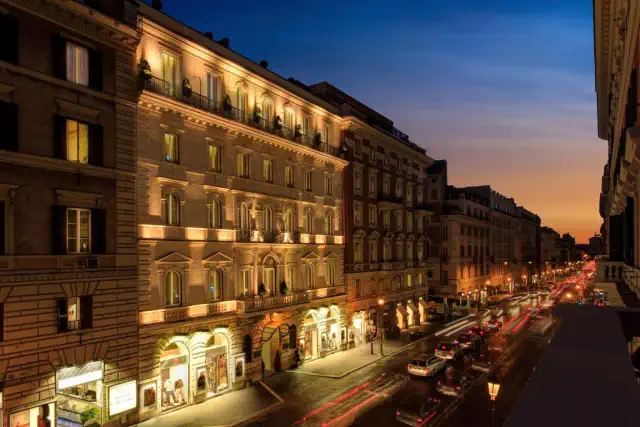
Located on the famous Via Nazionale, Hotel Artemide is a top-rated luxury hotel known for its exceptional service and modern amenities.
Highlights
- Elegant rooms with modern design
- Rooftop terrace with panoramic city views
- Spa and wellness center
- Walking distance to the Trevi Fountain and Colosseum
This hotel is perfect for travelers who want a luxurious stay close to Rome’s major attractions.
2. Hotel Santa Maria – Charming Stay in Trastevere
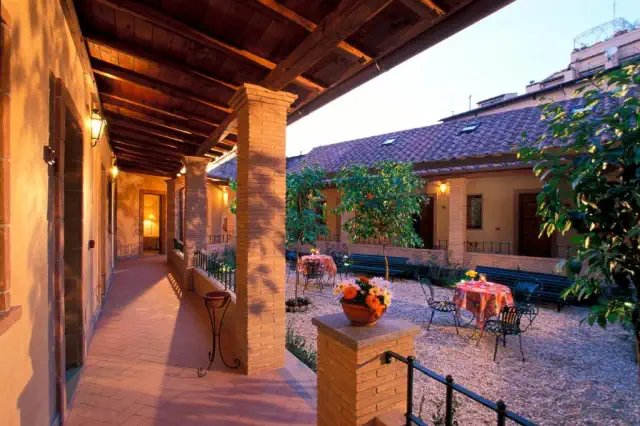
Situated in the picturesque neighborhood of Trastevere, Hotel Santa Maria offers a peaceful atmosphere surrounded by orange trees and historic streets.
Highlights
- Boutique-style rooms with traditional décor
- Quiet courtyard garden
- Excellent breakfast
- Close to authentic Roman restaurants
This accommodation is ideal for travelers who want to experience local Roman culture and cuisine.
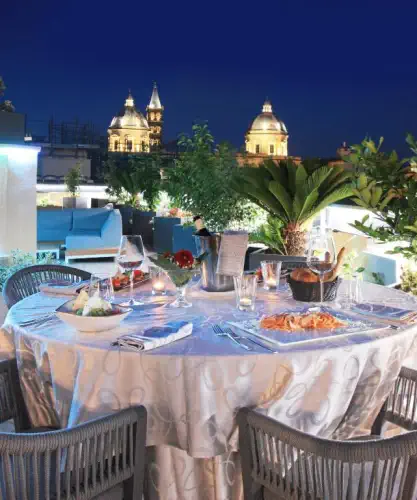
3. The Hive Hotel – Stylish and Modern Accommodation
The Hive Hotel offers contemporary design combined with convenience. It is located near Rome Termini Station, making it easy to explore the city and travel around Italy.
Highlights
- Spacious modern rooms
- Rooftop restaurant and bar
- Walking distance to public transportation
- Close to historic attractions
This hotel is a great option for travelers planning day trips across Italy.
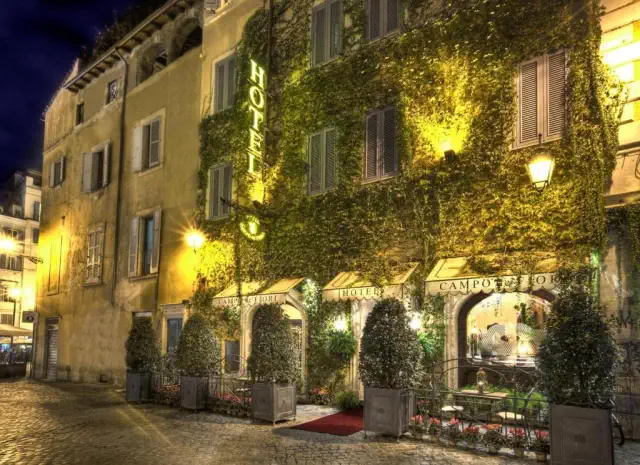
4. Hotel Campo de’ Fiori – Romantic Boutique Hotel
Hotel Campo de’ Fiori is one of the most charming boutique accommodations in Rome. The hotel is located in a lively square filled with cafes and markets.
Highlights
- Beautiful rooftop terrace overlooking Rome
- Elegant Italian-style rooms
- Steps from historic markets and restaurants
- Walking distance to the Pantheon
This hotel is particularly popular among couples and honeymoon travelers.

5. Hotel Nazionale – Classic Italian Hospitality
Located near the famous Pantheon, Hotel Nazionale combines classic Italian elegance with modern comfort.
Highlights
- Spacious traditional rooms
- Prime location in the historic center
- Excellent breakfast buffet
- Close to major attractions and shopping streets
It’s a great option for travelers who want easy access to Rome’s historic landmarks.
Tips for Choosing the Best Accommodation in Rome
When selecting where to stay in Rome, consider the following factors:
Location. Choose a hotel near major attractions like the Colosseum, Trevi Fountain, or the Vatican Museums.
Transportation. Hotels near Roma Termini Station offer convenient transportation for exploring other Italian cities.
Travel Style
- Luxury travelers may prefer high-end hotels.
- Couples often enjoy boutique hotels.
- Budget travelers can look for guesthouses or small B&Bs.
Rome is a city rich in history, culture, and unforgettable experiences. Choosing the right accommodation allows travelers to enjoy easy access to world-famous landmarks, authentic Italian cuisine, and vibrant neighborhoods.
Whether you prefer a luxury hotel, boutique stay, or modern accommodation, these five options provide excellent comfort and location for exploring the Eternal City.
With the right place to stay, your trip to Rome will become an unforgettable adventure filled with art, history, and Italian charm. 🇮🇹✨
Managing Currency and Payments
Use a mix of cash and cards. Carry some euros for markets, small shops, and cafes that don’t accept cards. ATMs (bancomat) offer the best exchange rates; avoid airport exchange counters when possible.
Pick a debit or credit card with no foreign transaction fees and good ATM reimbursement. Notify your bank before travel to prevent fraud blocks. Use contactless payments where accepted for faster checkout.
Know common fees: some cards add a flat fee or percentage for international withdrawals. Compare ATM prompts for dynamic currency conversion and choose to be charged in euros to avoid poor rates.
Keep a small amount of backup cash hidden separately. Store digital copies of your cards and emergency numbers in a secure app.
Cultural Etiquette and Local Customs
Expect polite, quiet behavior in public. Learn a few local words, dress modestly at churches, and keep tipping simple and respectful.
Restaurant and Tipping Etiquette
In sit-down restaurants, you usually order at the table, but pay at the register in many bars and cafes. Check your bill for coperto (cover charge) or servizio incluso (service included). These are not the same as a tip.
If service is not included, leave a small tip in cash—round up the bill or leave 5–10% for good service. At cafés, pay first, then hand the receipt to the barista if you’ll drink at the counter; expect higher prices if you sit. Don’t tip heavily like in the U.S.; hospitality wages are lower, so a modest cash tip is appreciated.
For group meals, ask if sharing is common. Italians often order antipasti to share but each person usually gets their own pasta or main course. When you ask for the bill, say “Il conto, per favore.”
Dress Codes and Church Visits
Dress respectfully at churches and religious sites. Cover shoulders and knees; avoid shorts, sleeveless tops, or low-cut shirts. Some churches provide wraps, but it’s better to bring your own.
Wear sensible shoes when visiting cathedrals or older sites with uneven floors. Remove hats inside sacred spaces. Keep voice volume low and switch phones to silent—many churches also forbid photography or flash in certain areas, so look for signs.
For restaurants and nice hotels, smart-casual is standard. Save beachwear for the beach and change before dining out. If you plan to enter a high-end venue, bring a lightweight jacket or scarf.
Language and Communication Basics
Learn basic Italian phrases: “Buongiorno” (good morning), “Per favore” (please), and “Grazie” (thank you). Use “Scusi” to get someone’s attention politely. Locals appreciate the effort even if your accent is rough.
Speak quietly in public transport and cafes. Avoid loud phone calls and public arguments. If you need help, ask “Mi può aiutare?” and be ready to show an address or map. When ordering, point at the menu item and state it clearly; waitstaff expect concise requests rather than long explanations.
Major Events and Seasonal Insights
Expect big crowds for major sports events, busy summer weeks, and many local festivals that reshape transport, opening hours, and prices. Plan tickets, book trains and hotels early, and check regional holiday dates before you finalize your itinerary.
Best Times to Visit and Weather Tips
Spring (April–June) and autumn (September–October) offer mild weather and fewer crowds in cities like Florence and Venice. Expect highs of 20–28°C in these months, making walking and sightseeing comfortable.
July–August brings hot weather and school-holiday crowds, especially on the Amalfi Coast and islands. Temperatures can reach 30–35°C. Book sea transfers and coastal hotels early and plan indoor museum visits during midday heat.
Winter gives lower prices and quieter streets in cities, but some coastal resorts and small islands close for the season. If you want skiing, northern Italy (Dolomites) is best from December to March. Pack layers, a waterproof jacket, and comfortable shoes for cobblestones.
Festivals and Local Holidays
National holidays like Liberation Day (April 25), Republic Day (June 2), and Ferragosto (August 15) cause closures and crowded transport. Museums and shops may close or run reduced hours, and trains often sell out around these dates.
City festivals vary: Venice Carnival (February/March) brings parades and mask events, while Siena’s Palio (July/August) disrupts traffic and lodgings in the city center. In southern regions, religious feast days can mean processions and street food stalls, which are great to see but affect local schedules.
Check municipal tourism sites for exact festival dates and transport advisories. Use local event calendars to time reservations and avoid arriving on high-traffic festival days unless you plan to attend.
Frequently Asked Questions
This section gives clear, practical answers about packing, transport, dining manners, entry rules, language tips, and safety. Read each short answer to find specific steps you can take before and during your trip.
Bring a lightweight day bag, a small money belt, and a plug adapter for Type C and F sockets. Pack comfortable walking shoes, a compact umbrella, and layered clothing for variable weather.
Carry a few euros in cash for small vendors and markets, plus a chip-and-PIN credit or debit card. Include photocopies of your passport, travel insurance details, and any prescription medicines in original packaging.
Buy train tickets in advance for high-speed routes on Trenitalia or Italo to save money and guarantee seats. For local trains, buses, trams, and subways, validate paper tickets in the yellow or green machines before boarding to avoid fines.
Use official station ticket machines or apps rather than street sellers. For short city trips, a daily or multi-day transport pass often costs less than buying single fares each time.
Dress neatly for restaurants; smart casual helps you blend in and may ease service. In churches, cover shoulders and knees if you plan to enter.
Expect a service charge (servizio) on some bills; leave a small tip for good service by rounding up or adding 5–10% for exceptional service. Don’t rush meals—mealtimes are relaxed, and many kitchens open late for dinner.
If you hold a U.S., Canadian, or many European passports, you can enter Italy visa-free for short stays up to 90 days in a 180-day period. Check your passport expiry; it should generally be valid for at least three months beyond your planned departure from the Schengen Area.
Starting in 2024, non-EU visa-exempt travelers will need an ETIAS authorization before travel. Confirm current rules for your citizenship and any COVID-related measures before you leave.
Learn a few polite phrases: buongiorno (good morning), per favore (please), grazie (thank you), and scusi (excuse me). Use simple English in cities—many people in tourism speak it—but speak slowly and clearly.
Carry a phrasebook or translation app for menus and signs. Smile, try the local words, and people will usually respond kindly.
Watch your belongings in crowded places like trains, markets, and tourist sites; use zipped bags and keep valuables close. Avoid showing large amounts of cash or expensive jewelry in public.
Use licensed taxis or official ride apps at night, and verify train platforms and times to avoid last-minute rushes. Keep emergency numbers handy: 112 is the EU-wide emergency number.