Italy Travel Guide for First-Time Visitors

You’re about to step into a country where art, food, and history meet on every corner. This guide gives clear, practical steps to plan your trip, choose which cities to visit, and pick the best experiences so you spend less time guessing and more time enjoying Italy. You will learn where to go, what to eat, and simple tips to navigate trains, sights, and restaurants with confidence.
Italy Travel Guide for First-Time Visitors: Essential Tips and Insights
Expect quick tips for timing your visit, getting around, and booking essentials, plus must-see spots and real local experiences that fit your pace. Use this guide to build an itinerary that feels right for you, whether you want big cities, coastal towns, or small villages filled with food and charm.
Key Takeways
- Plan logistics early to save time and avoid crowds.
- Pick a handful of cities to explore deeply rather than rushing.
- Try local food and use simple transport tips to travel like a local.
How to Plan Your Trip to Italy
Start by choosing dates, must-see places, and a realistic budget. Decide if you prefer guided, ready-to-book trips or a DIY plan with trains, ferries, and short flights.
Booking Ready-to-Book Itineraries
Ready-to-book itineraries save time and reduce stress. Look for multi-day packages that list daily activities, hotel names, and exact transport (train, private van, or ferry). Check reviews from Travel + Leisure or Lonely Planet readers to confirm quality.
Compare what’s included: some tours cover breakfast and entrance fees, others only guide time. Note cancellation terms and change fees before you pay. Use Apple Pay or a credit card with low foreign transaction fees for fast checkout.
If you want flexibility, choose options with free days or modular add-ons. Keep copies of booking confirmations and a simple day-by-day checklist on your phone.
Choosing the Best Time to Visit
Pick shoulder seasons (April–May, September–October) for milder weather, fewer crowds, and lower prices. These months still offer long daylight and open museums in most cities.
Avoid peak July–August in big cities if you dislike heat and crowds. If you want festivals, plan around dates like Venice Carnival or local harvest events in Tuscany. Winter (December–February) can be cheaper, but some small hotels and attractions close.
Check regional differences: southern Italy stays warmer longer, while northern mountain areas have ski seasons and colder winters. Match your activities—beach, wine harvest, skiing—to the season.
Setting Your Budget and Payments
Start with categories: flights, lodging, local transport, food, attractions, and a buffer for emergencies. Set daily limits for cities (higher in Rome and Florence, lower in small towns).
Book major items early for better rates and use price alerts for flights. Pay hotels and tours with cards offering travel protections. Use Apple Pay where accepted for small purchases; carry a debit card for ATM cash withdrawals.
Keep one card and one small amount of cash in separate places in case of loss. Note bank fees for foreign ATM use and card service; consider a travel card with no foreign transaction fees.
Using Travel Resources and Guides
Use a mix of sources: official tourism sites, guidebooks like Lonely Planet, and lists from Travel + Leisure. Official sites give opening hours and seasonal closures. Guidebooks often include suggested day plans and local tips.
Read recent reviews and check forums for recent changes—restaurants and small museums can change quickly. For ready-to-book options, compare offerings on reputable platforms and read user photos and comments.
Save PDFs of important pages, and download offline maps. Put key phone numbers—embassy, insurance, bookings—into your phone and email a copy to yourself.
Top Destinations and Must-See Cities
You’ll visit ancient ruins, world-class art, winding canals, and stylish city life. Plan time for major sights, book key tickets in advance, and leave room for food and short day trips.
Exploring Rome and the Colosseum
You should start in Rome to see the Colosseum, Roman Forum, and Palatine Hill in one ticketed loop. Buy timed-entry tickets or a guided tour to skip long lines and learn the layout quickly.
Walk from the Colosseum toward the Forum and Palatine to connect ruins to the city’s story. Bring comfortable shoes for cobblestones and stairs.
In Centro Storico, visit the Pantheon and toss a coin in the Trevi Fountain to follow tradition. Reserve entry for the Galleria Borghese if you want Caravaggio and Bernini in a focused visit.
Use public transit or walk; many highlights sit close together. Watch for pickpockets in crowded areas and keep water handy in warm months.
Florence: Renaissance Art and Culture
In Florence, center your days around the Duomo complex, Uffizi Gallery, and Accademia to see Michelangelo’s David and Botticelli’s works. Book Uffizi and Accademia tickets in advance to avoid long waits.
Stroll the historic center and cross the Ponte Vecchio at dusk for photos and jewelry shops.
Allocate a half-day to the Oltrarno neighborhood for artisan workshops and local trattorias. If you like wine, take a short trip into Chianti for vineyard tours and tastings—many tours run from Florence and include small-group wine pairings.
You can climb the Duomo or Giotto’s bell tower for city views. Keep one evening free to try Florentine steak at a trusted osteria.
Venice and Its Canals
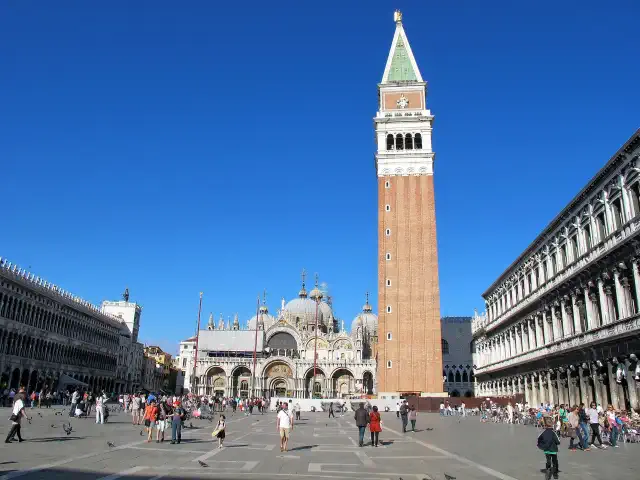
In Venice, focus on St. Mark’s Square, the Doge’s Palace, and a vaporetto ride on the Grand Canal. Buy Doge’s Palace and bell-tower tickets ahead to see the ornate rooms and Bridge of Sighs without long queues.
Use vaporetto lines 1 or 2 for a scenic transit route that shows palazzi and bridges.
Avoid private gondolas for long rides unless you want a short, traditional experience; they are pricey. Walk narrow alleys to find quieter squares and cicchetti bars for quick bites.
If you plan to visit islands, book Laguna trips to Murano for glassmaking and Burano for colorful houses; both are short boat rides from the main islands.
Experiencing Milan and Lake Como
Milan mixes business energy with art: visit the Duomo, climb to the rooftop terraces, and see The Last Supper at Santa Maria delle Grazie by reserved ticket only. Book months ahead for The Last Supper and plan weekday morning visits to avoid crowds.
Explore the fashion districts (Quadrilatero d’Oro) for shopping and contemporary dining.
From Milan, take a fast train to Como or Varenna to reach Lake Como in under an hour. Once there, use ferries to hop between lakeside towns like Bellagio and Menaggio.
Look for lakeside villas and short hikes for views. Combine one day on the lake with an evening back in Milan for nightlife or a relaxed dinner near Navigli.
Italian Experiences for First-Time Visitors
Expect a mix of world-class art, lively street markets, regional food traditions, and calendar-driven events that shape local life. You’ll plan visits to major sites, stroll markets for fresh food and finds, explore one or two regions beyond big cities, and time parts of your trip around festivals or big sports events.
Visiting the Vatican
Book tickets for the Vatican Museums and Sistine Chapel in advance to avoid long lines. Arrive early or late-afternoon to beat crowds. Dress modestly: shoulders and knees covered for entry into St. Peter’s Basilica.
Allow at least three hours to move through the museums, see Raphael rooms, and view Michelangelo’s ceiling in the Sistine Chapel. If you want a guided tour, choose one that includes skip-the-line access and a licensed guide who explains key works and Vatican history.
Plan a separate visit to St. Peter’s Basilica. Climb the dome for city views if your legs are ready for nearly 550 steps. For security and timing, check Vatican opening hours and Mass schedules before you go.
Local Markets and Vendors
Visit farmers’ markets early in the morning for the best produce, cheeses, and cured meats. Markets like Testaccio in Rome offer prepared foods—try supplì or pizza slices—while smaller neighborhood markets sell seasonal fruit and local olives.
Talk to vendors; they often share cooking tips or where items come from. Use cash for small purchases and bring reusable bags. Watch for vendor tactics in tourist areas—confirm prices before you buy and keep an eye on your bag.
Look for specialty stalls selling olive oil, balsamic, and regional cheeses. If you like morning sights and sounds, arrive just after setup to see vendors arranging goods and to get the freshest selections.
Regional Highlights and Off-the-Beaten-Path
Pick one northern and one central or southern region to explore beyond Rome. In the north, Trentino-Alto Adige offers alpine scenery, mountain huts, and Tyrolean-flavored food—ideal if you like hiking or cooler weather. The region mixes Italian and Austrian influences in language and cuisine.
In central Italy, consider Tuscany’s countryside for cycling and wines. In the south, coastal towns or Sicily offer seafood and distinct local traditions. If you prefer fewer tourists, choose smaller towns like those in Umbria or hill towns in Le Marche.
Use trains for major city links and rent a car for rural roads. Plan one or two overnight stays in smaller towns so you can eat dinner when locals do and experience quieter streets after daytrippers leave.
Major Events and Festivals
Check Italy’s event calendar before booking—festivals and big sports events affect lodging and transport. In 2026, the FIFA World Cup will bring fans and higher prices to host cities; verify match locations and book early if you plan to attend or move through cities on match days.
Local festivals matter too: religious processions, food fairs, and summer music events like open-air concerts at historic sites. Smaller towns often hold sagra (food festivals) celebrating a single dish—arrive hungry and expect simple, authentic cooking.
For planning, reserve accommodations around known festival dates and allow extra travel time between towns during large events. Buy event tickets from official sites and keep printed or digital confirmations handy.
Food Destinations and Italian Cuisine
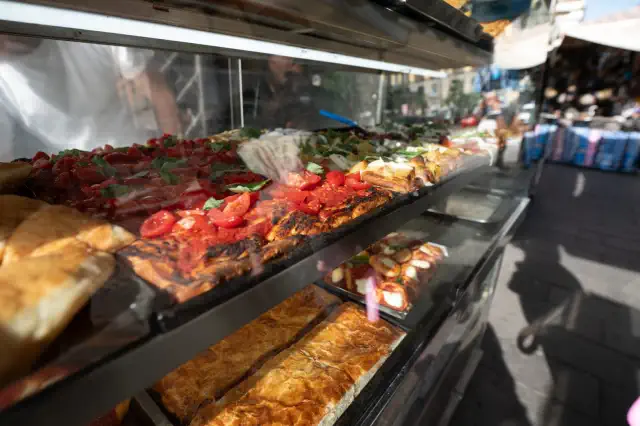
Italian food varies by region, from rich meat sauces in the north to simple seafood and bright vegetables in the south. Expect clear differences in ingredients, cooking methods, and local dining habits as you move between cities and regions.
Famous Regional Dishes
Italy’s regional dishes reflect local produce and history. In Rome, try pasta alla carbonara, cacio e pepe, and pasta all’amatriciana—each uses few ingredients but demands precise technique. Roman supplì (fried rice-and-cheese snacks) are great for street food.
In northern Italy, taste risotto (creamy rice) and osso buco (braised veal shanks) in Lombardy. Emilia-Romagna offers rich ragù, tortellini, and parmigiano-reggiano—perfect with butter and cheese for simple pasta. Tuscany serves ribollita (hearty vegetable and bread soup) and bistecca alla fiorentina, a thick grilled T-bone.
Down in the south and Sicily, expect eggplant parmigiana, arancini, and seafood dishes relying on tomatoes and olive oil. Polenta appears in the north, not the south, so try it where it belongs.
Iconic Food Cities
Naples and Rome lead for pizza and street food. In Naples, you’ll find classic Neapolitan pizza and seafood near the bay. Rome mixes thin-crust pizza al taglio with trattorias that serve Roman pastas.
Bologna and Parma are musts for cured meats, Parmigiano, and slow-cooked sauces. Bologna’s markets and nonnas (grandmothers) still shape fresh pasta traditions. Florence serves bistecca alla fiorentina and Tuscan rustic fare; the city also links to ribollita and hearty soups.
Sicily’s Palermo offers bold street food like cannoli and granita. Caiazzo and nearby towns highlight artisan pizza makers such as Franco Pepe. If you follow food shows like Stanley Tucci’s, you’ll see many of these cities featured for their deep culinary roots.
Travel Shows and Culinary Influences
Travel shows shape what you seek. Stanley Tucci: Searching for Italy and Tucci in Italy spotlight local chefs, nonnas, and regional recipes. Watching these can point you to specific streets, markets, and restaurants to visit.
Use episodes to note precise dishes and neighborhoods. They often highlight small producers—cheese makers, butchers, and bakers—that you can visit. Shows also remind you to respect dining rhythms: late lunches, long dinners, and slow meals with multiple courses.
Don’t assume every spot on TV is tourist-free. Popular features can draw crowds, so book ahead for restaurants or tastings. Still, these shows help you discover lesser-known foods and local stories behind recipes.
Tips for Eating Like a Local
Eat at neighborhood trattorias and market stalls rather than tourist-heavy restaurants. In Rome, sample cacio e pepe at a small trattoria and try supplì from a takeaway counter. In Bologna, look for houses selling fresh tortellini or gelato made without long queues.
Order seasonal produce. Ask for artichokes in Rome when in season and shellfish on Sicilian menus. Use simple phrases: “Un tavolo per due” or “Il conto, per favore.” Sit for aperitivo in the evening to sample local cheeses, salumi, and Lambrusco in Emilia-Romagna.
Respect local customs: avoid rushing through courses, don’t request heavy ketchup-style alterations, and tip modestly. When in doubt, follow how Italian nonnas eat: fresh, simple, and cooked with care.
Practical Travel Tips for Italy
Expect simple rules that keep you safe, save money, and help you blend in. Carry copies of important documents, keep small euros in cash, and plan transport and lodging in advance for peak sites like Rome, Florence, and Venice.
Safety and Cultural Etiquette
Pickpocketing is the most common risk in crowded places like train stations, markets, and near major sights. Keep valuables in a money belt or zipped bag. Watch your phone and wallet on buses and at outdoor cafés.
Dress modestly when visiting churches — shoulders and knees should be covered. Greet shopkeepers with “Buongiorno” or “Buonasera.” Tipping is small: round up or leave 5–10% for table service, more only for exceptional service.
Follow local rules: validate metro/bus/tram tickets before boarding in many cities. Avoid loud behavior late at night in residential neighborhoods. If police stop you, show ID and stay calm.
Transportation and Getting Around
Book high-speed train tickets (Frecciarossa, Italo) in advance for lower prices and guaranteed seats between cities like Rome–Florence–Milan. Use Trenitalia or Italo websites/apps; regional trains don’t require advance booking but can be slower.
In cities, use metros, trams, and buses for efficient travel. Buy and validate single tickets or day passes at machines, tabacchi shops, or station kiosks. In Venice, choose vaporetti over water taxis to save money; get a multi-day pass if you’ll ride often.
Reserve taxis via apps or official ranks to avoid scams. For short inner-city trips, walking often beats driving—many historic centers restrict car access. If you rent a car for regions like Tuscany or Amalfi Coast, learn ZTL (limited traffic) rules to avoid fines.
Accommodations for Every Traveler
Book early for high-season stays in Rome, Florence, and Venice. Consider agriturismos in Tuscany for a countryside stay with farmhouse meals and lower rates than city hotels. Use Booking.com or local tourist offices to compare options.
Hostels and guesthouses work for budget travelers; many offer private rooms with shared facilities. Look for places with air conditioning in summer and central heating in winter. Monastery guesthouses can be affordable and quiet but may have curfews.
If you pick an Airbnb, compare total costs to hotels (cleaning fees can add up). Stay outside the historic center for cheaper rates and better value, but check transit links so you don’t waste time or money commuting.
Frequently Asked Questions
You will find clear rules for entry, top places to visit, and two ready itineraries.
You will also get practical tips on money, safety, dress, and habits to avoid.
If you hold a U.S. passport, you can enter Italy visa-free for tourism stays up to 90 days in any 180-day period. Your passport must be valid for at least three months after your planned departure from the Schengen Area.
You must show return or onward travel and enough funds for your stay if asked. Carry printed or digital copies of your hotel bookings, flight tickets, and travel insurance.
Beginning 2024, some visa-exempt travelers must register with the EU travel authorization system (ETIAS) before travel. Check the official ETIAS site for status and processing details before you book.
Rome, Florence, and Venice form the classic trio for first-time visitors. Rome offers the Colosseum, Vatican Museums, and lively neighborhoods like Trastevere.
Florence gives you the Uffizi and Duomo within easy walking distance. Venice delivers canals, St. Mark’s Square, and island visits to Murano or Burano.
If you want food and seaside time, add Naples and the Amalfi Coast or the Cinque Terre for coastal hikes. For modern art and architecture, include Milan and the MAXXI museum in Rome if you stay there.
Day 1: Arrive in Rome. Visit the Colosseum and Roman Forum; walk through Piazza Venezia.
Day 2: Vatican Museums, Sistine Chapel, and St. Peter’s Basilica; evening in Trastevere for dinner.
Day 3: Train to Florence (about 1.5–2 hours). See the Duomo and walk to Piazza della Signoria.
Day 4: Uffizi Gallery in the morning; climb Piazzale Michelangelo at sunset for city views.
Day 5: Day trip to Pisa or a Tuscan winery near Siena. Return to Florence for dinner.
Day 6: Train to Venice (about 2 hours). Explore St. Mark’s Square and the Doge’s Palace; gondola or vaporetto ride.
Day 7: Morning in Venice’s islands (Murano or Burano), afternoon departure or extra night depending on flight time.
Carry small bills and coins for cafes, buses, and public restrooms; many places still prefer cash for small purchases. Use contactless cards widely in cities, but keep cash for small towns and markets.
Dress modestly when visiting churches: cover shoulders and knees. Wear comfortable shoes; many streets are cobblestoned and require walking.
Learn simple Italian phrases: “Buongiorno,” “Per favore,” and “Grazie” go far. Greet shopkeepers when you enter and leave; Italians value politeness in small interactions.
On public transport, keep belongings close and be alert in crowded areas to reduce pickpocket risk. Validate regional train or bus tickets before boarding where required.
Avoid assuming cards always work; notify your bank before travel and bring a backup card. Don’t exchange money at airport kiosks unless necessary; airport rates and fees are usually higher.
Don’t eat at restaurants in the most touristy spots without checking reviews; prices often far exceed quality. Avoid letting meals be rushed — many restaurants seat you for a full course and service is slower than a fast-food pace.
Don’t treat public transport like U.S. systems — validate tickets and watch for strike notices that can affect trains and buses. Don’t expect late-night shops to be open; many close for long lunches or early evenings in smaller towns.
Split your trip into regions to limit travel time. A balanced 14-day plan: Rome (4 days), Florence/Tuscany (3 days), Venice (2 days), Milan or Lake Como (2 days), Amalfi Coast or Naples/Capri (3 days).
Use high-speed trains between major cities to save time; book tickets in advance for lower fares. Reserve key museum and attraction tickets ahead—Colosseum, Vatican, Galleria Borghese, and Last Supper often require timed entry.
Allow buffer days for travel delays and rest. Book regional day trips (Cinque Terre, Pompeii, or wine tours) through local operators with clear cancellation policies.